Questions to Ask Before Hiring for Gutter Installation Hackettstown
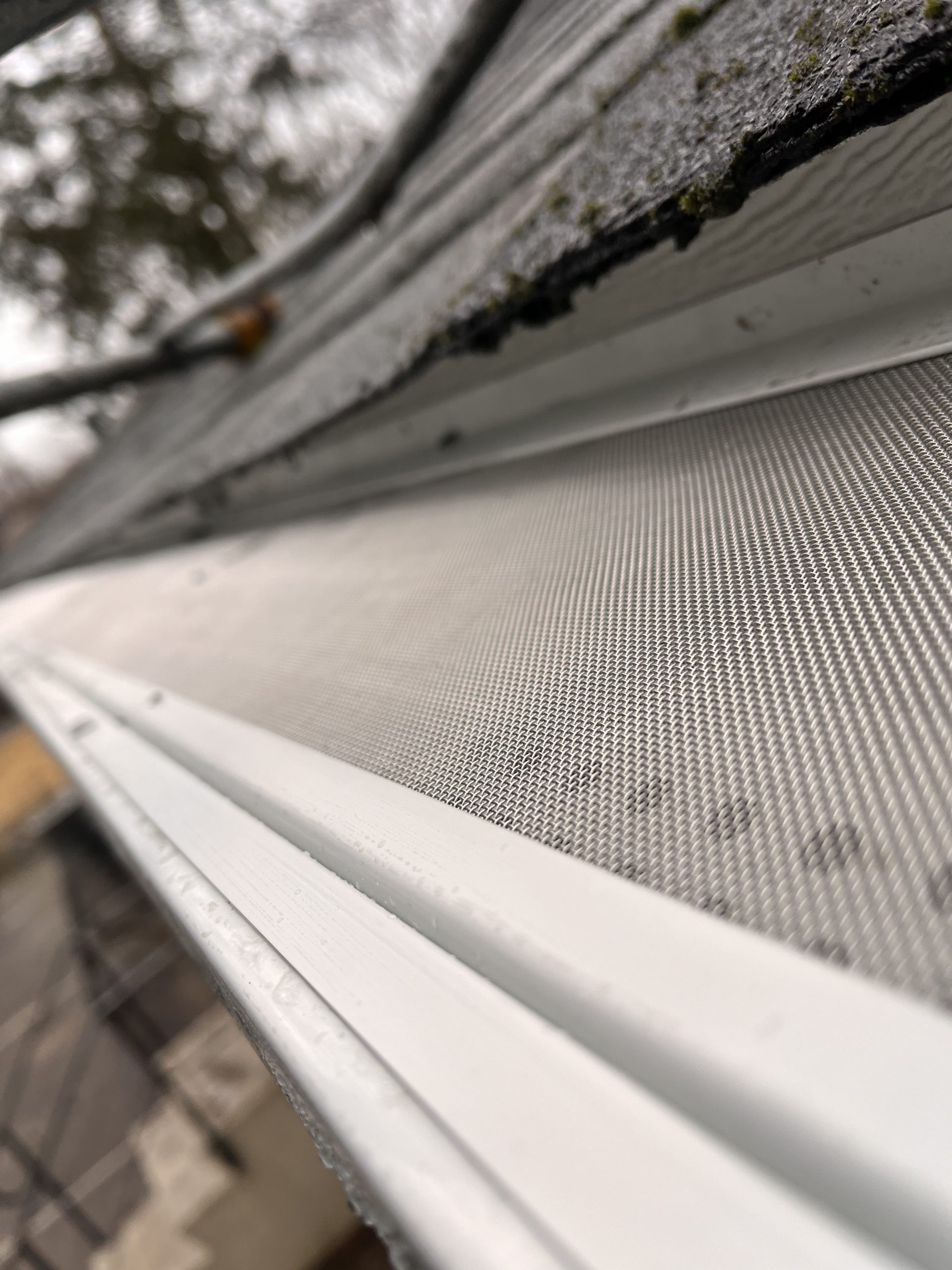


Replacing or adding gutters looks straightforward from the ground. A crew arrives, pulls measurements, fastens new sections to the fascia, and moves on. Yet anyone who has owned an older home in Warren County knows the reality is messier. Roof lines are rarely as simple as they seem, fascia boards are not always sound, and drainage problems often start long before water reaches the gutter. That is why the smartest homeowners in Hackettstown do not begin by asking, “What’s your price?” They begin by asking better questions.
A proper Gutter Installation project protects siding, foundations, landscaping, walkways, and basements. A poor one creates the illusion of protection while quietly directing water where it should never go. In a place like Hackettstown, where homes range from historic properties with quirks and repairs layered over decades to newer builds with builder-grade drainage, details matter. The installer you hire should understand local weather patterns, snow load, leaf debris, roof pitch, and how downspout placement affects the entire property.
The questions below are the ones experienced homeowners, property managers, and contractors tend to ask before signing anything. Some are simple. Some reveal whether the person standing in your driveway actually knows the trade.
Start with the most important question: what problem are we really solving?
This is the question many homeowners skip, and it is often the one that determines whether the project succeeds. Sometimes the issue is obvious. Gutters are rusted through, sagging at the corners, or separating from the fascia. Sometimes the problem is less direct. Maybe the basement gets damp after heavy rain. Maybe mulch washes out near the front walk. Maybe ice forms over the entry in winter. In those cases, gutters may be part of the answer, but not the whole answer.
A reliable contractor should inspect the roof edge, fascia, soffit, slope, downspout exits, and grading around the foundation before recommending a system. If they quote a full Gutter Installation Hackettstown job from a quick glance at the front elevation, that is a warning sign. Water management is interconnected. Gutters catch runoff, but they also depend on roof runoff behavior, proper pitch, and a place for water to discharge safely.
I have seen homeowners replace decent gutters when the real failure was clogged underground drainage. I have also seen companies recommend oversized systems where a simpler change in downspout layout would have corrected overflow. Asking what problem they believe they are solving tells you whether they are diagnosing or just selling.
Ask how they size the system for your roof, not just your house
Not every home needs the same gutter profile. The dimensions should match the roof area, pitch, valley concentration, and expected runoff. A modest ranch and a two-story colonial may both use 5-inch gutters, but that does not mean they should. Roof design is what drives volume.
A good installer should be able to explain why they recommend 5-inch or 6-inch gutters, how many downspouts they propose, and where those downspouts will terminate. If your roof has long valleys that dump heavy water into a short run, that section may need special attention, even if the rest of the home does not. Overshooting the need is not always better either. Larger systems can look https://juliusrhsk225.iamarrows.com/how-professional-gutter-installation-protects-hackettstown-foundations bulky on certain architectural styles, and if they are paired with poor placement or incorrect pitch, they still will not perform well.
This is where local experience matters. In Hackettstown, installers see the effect of heavy rain, falling leaves, and winter freeze-thaw cycles on roof drainage. Ask them whether they’ve worked on homes similar to yours, not only in size but in roof complexity. A straight eave on a split-level behaves differently than a Victorian roofline with dormers, corners, and intersecting slopes.
Ask what material they recommend and why
Many homeowners know the common choices, aluminum, copper, galvanized steel, and sometimes vinyl. Fewer know why one may fit their home better than another. The right answer depends on budget, appearance, maintenance expectations, and the existing structure.
Aluminum is often the standard for residential Gutter Installation because it balances cost, durability, and corrosion resistance. It also comes in many colors and works well for seamless fabrication. Copper appeals to homeowners restoring older properties or aiming for a specific aesthetic, but it carries a much higher upfront cost. Steel can be strong, though it is more vulnerable to rust over time if coatings fail. Vinyl usually enters the conversation because it is inexpensive, yet in climates with temperature swings and snow stress, it often proves to be a false economy.
Ask the contractor what gauge or thickness they use, what finish is applied, and how that material holds up in this region. Ask how it responds to ladders, ice, and impact from branches. The answer should be practical, not generic. “We use aluminum because that’s what everyone uses” is weaker than “We use .032 aluminum for most homes because it resists denting better than lighter stock, handles local weather well, and gives us a longer fastening life at the hanger points.”
Ask whether the fascia and soffit will be inspected before installation
New gutters attached to rotted wood are like new tires mounted on bent rims. They may look fine on day one, but failure is already built in.
Water damage around roof edges can hide behind old gutters for years. Once the old system comes off, installers sometimes discover soft fascia, insect damage, loose trim, or prior repairs that were never done properly. If that possibility is not discussed up front, homeowners can end up surprised by delays and added cost.
This is not a reason to avoid the job. It is a reason to ask how the company handles hidden conditions. Will they photograph damaged areas? Can they perform minor carpentry repairs in-house? If not, will they pause the project and refer someone? What is the pricing method for additional wood replacement? A professional answer gives you a process, not just a shrug.
This one question often separates seasoned installers from crews focused only on volume. Experienced crews expect that older homes in Hackettstown may reveal edge rot once the old gutters are removed. They build that possibility into the conversation early.
Ask how they plan to pitch the gutters and place the downspouts
If there is one part of gutter work that homeowners rarely see but always feel, it is pitch. A gutter can be level to the eye and still be pitched correctly. It can also be visibly wrong, either because it runs too flat and holds water, or because it slopes so aggressively that it looks awkward against the roofline.
The installer should explain how they determine pitch over each run, especially on long spans. They should also explain where downspouts make the most sense functionally and visually. Sometimes the most symmetrical layout is not the best drainage layout. Sometimes the cleanest front elevation conflicts with where water needs to go.
One common mistake is placing downspouts where they are convenient for fabrication rather than where the property can actually handle discharge. If a downspout empties beside a walkway that ices over in winter, or next to a foundation corner that already shows signs of saturation, the gutter system is creating a new problem while solving another. Ask where water will go after it leaves the downspout. If extensions, splash blocks, or underground drains are needed, that should be part of the planning.
Ask whether the quote includes seamless gutters, and what that really means
For most homes, seamless aluminum gutters are the standard because they reduce joints, and joints are common leak points. But “seamless” does not mean every part is joint-free. Corners, end caps, and downspout outlets still require seams and sealant. Homeowners should know that.
Ask whether the gutters are formed on-site, what lengths can be run continuously, and what sealants and fastening methods are used at corners. If the house has long runs, ask how expansion and contraction are handled. If the contractor talks only about the convenience of seamless systems and not about workmanship at the connection points, you are not getting the full picture.
The quality of a seamless system depends less on the machine and more on the installer’s habits. Neat miters, secure hangers, proper outlet cutting, and careful sealing are what determine long-term performance.
Ask what fasteners and hanger spacing they use
This is one of those details that sounds small until winter arrives. Hidden hangers with screws are standard for modern systems because they provide cleaner appearance and more reliable support than older spike-and-ferrule setups. But not all installations are equally robust.
A good question is how far apart the hangers will be placed, and whether spacing changes in areas with heavier snow load or roof runoff concentration. A contractor who works in northern New Jersey should understand that winter weight matters. Snow and ice add stress, particularly at corners and beneath valleys. Wider hanger spacing may save labor and material in the short term, but it can contribute to sagging later.
Also ask what the screws are fastening into. Fasteners need solid backing. If fascia condition is uncertain, that should be resolved before new gutters go on.
Ask how they handle leaf protection, and whether you even need it
Leaf guards inspire strong opinions because they can help on some homes and disappoint on others. Homes surrounded by mature trees often benefit from some form of protection, but not every guard type performs equally well. Fine mesh, reverse curve, foam inserts, and brush-style products all have trade-offs. Some shed leaves well but collect shingle grit. Some reduce clogging but make cleaning more technical. Some work nicely under moderate debris and struggle during spring pollen or seed drop.
A trustworthy contractor should ask about your tree cover, roof type, cleaning habits, and maintenance expectations before recommending a guard. If the sales pitch assumes every house needs the same accessory, be skeptical. Guards can reduce maintenance, but they rarely eliminate it completely.
For homeowners considering Gutter Installation Hackettstown services specifically because they are tired of seasonal cleaning, this conversation matters. A system that reduces debris entry while preserving water flow may be worthwhile. A system that overpromises and underdelivers is not.
Ask what is included in the written estimate
A vague estimate is an invitation for misunderstandings. You want to know not just the total but what that total covers. Removal and disposal of old gutters, downspouts, hangers, and debris should be clearly stated. So should the material type, profile size, color, number of downspouts, and whether extensions or drainage tie-ins are included.
Here are five items worth seeing in writing before you approve the job:
- The exact gutter size, material, color, and whether the runs are seamless.
- The number and location of downspouts, plus how discharge will be handled.
- Any fascia or soffit repair exclusions, allowances, or additional pricing terms.
- Cleanup responsibilities, including disposal of old materials and site debris.
- Warranty terms for both materials and workmanship.
That list may sound basic, but missing details create most disputes. I have seen estimates that mentioned “new gutters” and little else. That leaves too much room for assumptions, especially when comparing multiple bids.
Ask who will actually perform the work
Homeowners often assume the person who gave the estimate will be involved on installation day. Sometimes that is true. Often it is not. Some companies sell the job and subcontract the labor. That is not automatically a problem, but it should be disclosed.
Ask whether the crew is in-house, subcontracted, or a mix of both. Ask how long the lead installer has been doing this work. Ask who supervises quality, who handles damage claims, and who you should contact if something seems off during the installation. If the company hesitates to answer basic staffing questions, that tells you something.
There is a practical reason for this beyond peace of mind. Homes in Hackettstown can have tight access, mature landscaping, older trim details, and uneven grades around the perimeter. Crews need more than technical skill. They need judgment, patience, and respect for the property.
Ask about insurance, permits, and local familiarity
For straightforward gutter replacement, permits are not always required, but local rules can vary depending on scope, drainage alterations, and property conditions. The installer should know what applies and should not guess. Ask whether permits are necessary and, if so, who obtains them.
Insurance matters even more. At minimum, you want general liability coverage and, if the company has employees, workers’ compensation coverage. Gutters are installed on ladders and along roof edges. Accidents happen, and homeowners should not assume they are insulated if paperwork was never verified.
Local familiarity helps in less obvious ways. A contractor with real experience in Hackettstown should understand neighborhood housing stock, common drainage issues, and seasonal timing. They should know that a steep slate-look roof on an older home needs a different approach than a standard asphalt roof on a newer subdivision property.
Ask what kind of warranty they stand behind, and what voids it
A warranty can sound strong until you read the exclusions. Material warranties usually come from the manufacturer and cover defects in the product itself. Workmanship warranties come from the installer and cover errors in installation. Those are not the same thing.
Ask how long the workmanship warranty lasts, what service response looks like, and whether clogs, storm damage, ice issues, or impact damage are excluded. Ask whether adding leaf guards affects warranty terms. Ask whether repainting trim, roof replacement, or other exterior work by future contractors could void coverage.
A contractor confident in their work should explain warranty coverage plainly, without hiding behind jargon. Clarity here matters because gutter issues do not always show up immediately. A system can look perfect after installation and reveal pitch or fastening problems only after several heavy storms.
Ask how they compare their bid to cheaper options
Every homeowner reaches the price question eventually, and they should. But price only becomes useful when you understand why estimates differ. One contractor may be including heavier material, more downspouts, tighter hanger spacing, and complete cleanup. Another may be pricing only the visible basics.
The goal is not to find the cheapest quote. It is to compare scope honestly. If one estimate comes in dramatically lower, ask what has been omitted. Are the downspouts fewer? Is disposal extra? Are fascia repairs excluded? Is the warranty weaker? Is the crew subcontracted? Does the company carry the same insurance?
Good contractors do not always have the lowest number, but they usually can explain their number in a way that makes sense.
Watch how they answer, not just what they answer
This is where experience speaks louder than brochures. Some contractors can say the right words but still leave you uneasy. Others explain things in a direct, grounded way that earns trust quickly.
Pay attention to whether they inspect the whole drainage path or focus only on the gutter runs. Notice whether they ask about basement moisture, icing, washout, or recurring overflow. See whether they mention pitch, hanger spacing, and fascia condition without being prompted. Those details show they have done this enough times to know where problems hide.
A few red flags tend to come up again and again:
- They quote from the driveway without measuring or inspecting roof edges.
- They promise leaf guards will eliminate all maintenance forever.
- They cannot explain downspout placement beyond “that’s where we usually put them.”
- They avoid specifics on materials, fasteners, or warranty coverage.
- They pressure you to sign immediately because the price is “today only.”
The best gutter contractors usually do not need hard pressure. Their confidence shows up in clear answers, organized estimates, and a practical grasp of how water behaves on real houses.
Ask about timing, weather, and what happens if conditions change
Gutter jobs are often scheduled quickly, but weather can complicate even simple projects. Rain, wind, extreme cold, or icy conditions can delay installation or affect sealant cure times. Ask when the work can realistically begin, how long it should take, and what conditions would require rescheduling.
It is also smart to ask how they handle surprises once the work starts. If hidden wood rot appears, if underground drain tie-ins are blocked, or if the original downspout plan proves unworkable, what is the process for updating scope and price? Professional companies communicate changes before proceeding. Less reliable ones keep working and hand you a larger invoice afterward.
That is not a small distinction. Exterior projects often reveal hidden issues, especially on older homes. The problem is not discovering them. The problem is discovering them without a clear process.
Why homeowners in Hackettstown should be especially selective
Not every town presents the same gutter challenges. Hackettstown has a mix of housing ages and property layouts that make one-size-fits-all advice unreliable. Older homes may have trim details, settling, or prior patchwork that complicates fastening and pitch. Newer homes may have undersized builder-installed systems that function poorly under heavier runoff. Tree cover varies block to block, which affects debris load. Sloped lots change how aggressively downspouts need to move water away from foundations and walkways.
Seasonality matters too. Summer storms test capacity. Autumn tests debris handling. Winter tests fastening strength and drainage planning, especially where ice forms near entries and sidewalks. A contractor who understands those local conditions will ask sharper questions, and their recommendations will usually sound more specific because they are.
When people search for Gutter Installation Hackettstown, they are often trying to solve an immediate nuisance, an overflow over the front porch, a puddle near the basement wall, a sagging run over the garage. The better approach is to treat the project as part of the home’s drainage system, not as a cosmetic add-on. The right installer will think that way.
The best hire often reveals itself in the conversation
By the time you finish asking these questions, the field usually narrows on its own. One company will give broad, polished answers. Another will give concrete answers tied to your home. That difference matters.
You want the contractor who notices the low corner near the driveway, the concentrated runoff below the valley, the worn fascia at the rear eave, the awkward downspout location that would dump onto the front walk. You want the one who explains trade-offs honestly, prices the scope clearly, and treats Gutter Installation like a water-control job rather than a commodity sale.
A gutter system does not need to be flashy. It needs to be right. When it is, you stop thinking about it, which is exactly the point.
Just Gutters LLC
Address: 262 Main St, Hackettstown, NJ 07840
Phone number: +12013319454
FAQ About Gutter Installation Hackettstown
Can I install a gutter myself?
Yes, you can install gutters yourself. DIYers typically use aluminum or vinyl sections from home improvement stores. The project requires basic tools, precise measuring, and comfort working on ladders. Key steps include snapping a chalk line for a slight slope (1/4 inch per 10 feet toward downspouts), securing hangers every 2 feet, and caulking all joints securely.
How much does body contouring usually cost?
The Home Depot typically charges between $1,000 and $3,600 for a standard professional gutter installation on a typical single-family home with 200 linear feet of gutters. Calculated on a per-foot basis, the cost usually ranges from $5 to $18 per linear foot, highly dependent on the material you select.
How much does a 40 ft seamless gutter cost?
A 40 ft seamless gutter run will cost between $240 and $1,120+ fully installed, depending on the material you choose. Because seamless gutters require specialized on-site fabrication machines, they are rarely sold as DIY kits and are priced per linear foot.